
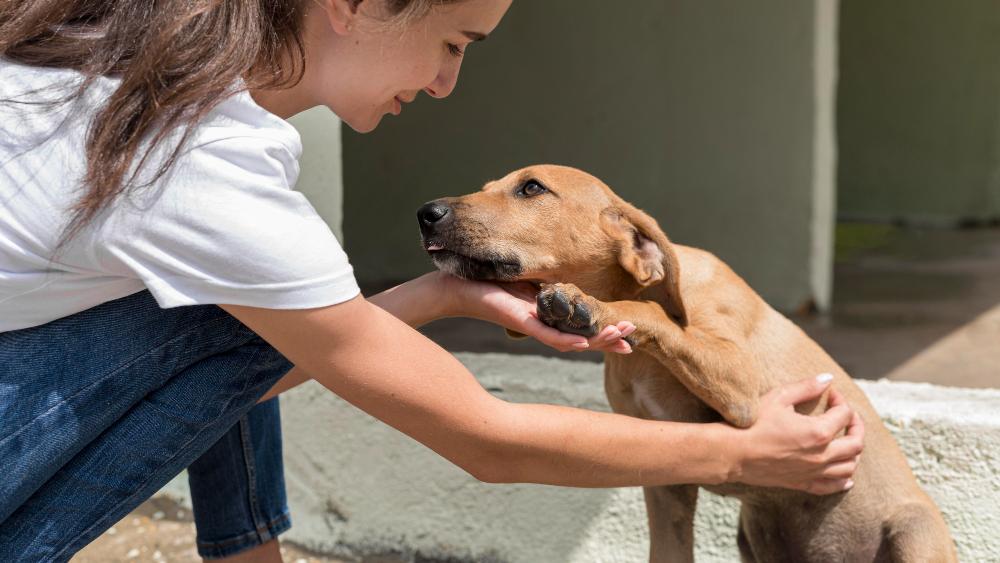
The way people donate has changed dramatically over the past decade. Donations are no longer limited to cash in an envelope or a bank transfer made during office hours. As the digital world has expanded, so has the concept of generosity.
Today, people who believe in technology, decentralization, and global access are finding new ways to support the causes they care deeply about. Among these causes, animal shelters have emerged as powerful recipients of modern forms of giving, particularly through cryptocurrency.
Donating crypto to animal shelters is not just a trend tied to innovation; it reflects a deeper shift in how compassion, responsibility, and global connectivity intersect. This new form of giving allows donors to help dogs and cats receive good food, medical care, safe shelter, long-term protection, and, most importantly, a genuine chance to be adopted into loving homes.
A new language of generosity in the digital age
Cryptocurrency has often been discussed in terms of markets, volatility, and investment strategies, but at its core, it is also a tool for connection. When applied to charitable causes, crypto becomes a language of generosity that speaks to a global audience. Donors are no longer limited by borders, currency conversion fees, or slow financial systems. With a few clicks, someone on one side of the world can support an animal shelter thousands of miles away.
Animal shelters operate in environments where urgency is constant. Animals arrive injured, malnourished, abandoned, or simply unwanted. Funding needs do not wait for bureaucracy. Crypto donations allow shelters to respond faster, covering veterinary bills, food supplies, and emergency care without delay. This immediacy is one of the strongest arguments for crypto-based giving. It aligns perfectly with the reality shelters face every day, where timing can determine whether an animal survives or not.
For donors, this form of giving feels direct and intentional. There is a sense that help reaches where it is needed without unnecessary friction. It transforms abstract digital assets into tangible outcomes: a bowl of food, a medical procedure, a warm place to sleep. In this way, technology becomes deeply human.
Transparency, trust, and the call to act
One of the challenges traditional charities face is maintaining donor trust. People want to know where their money goes and how it is used. Cryptocurrency, by its very nature, introduces a new level of transparency. Transactions can be tracked, verified, and audited openly, creating a sense of accountability that reassures donors.
When animal shelters embrace crypto donations, they are not only adapting to modern tools but also sending a message of openness. Donors can feel more confident that their contribution is being directed exactly where it is promised. This clarity strengthens the emotional connection between giver and cause. It turns donation into a shared responsibility rather than a one-sided transaction.
Many shelters now include gentle digital prompts within their communication, inviting supporters to participate in this new form of giving. A simple phrase like “Please donate here” can feel surprisingly personal when embedded in a story about a rescued dog or a recovering cat. It is not a command, but an invitation to become part of a solution. In the context of crypto donations, that invitation carries the promise of immediacy, transparency, and meaningful impact.
Meeting the real needs of dogs and cats
Behind every donation, whether traditional or digital, there are real animals whose lives depend on it. Dogs and cats in shelters require far more than temporary accommodation. They need consistent access to nutritious food that supports recovery and growth. They need medical care, sometimes extensive, including surgeries, vaccinations, and long-term treatments. They need clean, safe environments where they can rest without fear.
Crypto donations play a crucial role in covering these ongoing needs. Because they can be transferred quickly and with fewer intermediaries, shelters are better positioned to allocate resources where they are most urgently required. A sudden influx of abandoned animals can be met with immediate action rather than delayed responses. Emergency veterinary care can be funded without waiting for scheduled fundraising campaigns.
Beyond survival, donations also support the emotional well-being of animals. Proper care allows shelters to focus on rehabilitation, socialization, and preparation for adoption. Each donation helps create a space where animals are not merely kept alive, but given dignity, comfort, and the possibility of a permanent home. In this sense, crypto becomes a bridge between digital innovation and deeply compassionate outcomes.
Global giving and the power of borderless support
Animal welfare is a global issue. Stray populations, underfunded shelters, and inadequate animal protection laws exist in many parts of the world. Traditional donation systems often struggle to address these disparities due to currency restrictions, international fees, and administrative barriers. Cryptocurrency removes many of these obstacles, allowing support to flow freely across borders.
This borderless nature of crypto-giving empowers donors to support shelters in regions where help is most needed, even if they have never visited those places. It creates a sense of global community centered around shared values rather than geography. Someone living in a major city can directly support animals in rural areas or developing regions, where resources are scarce and demand is overwhelming.
For shelters, this global reach can be transformative. It opens doors to international partnerships, recurring donations from abroad, and increased visibility. Crypto donations are not just financial contributions; they are statements of solidarity. They tell shelters that they are not alone, that people across the world care about the lives they protect every day.
Long-term care and the promise of stability
While emergency rescue often captures public attention, the reality of shelter work is long-term care. Some animals cannot be adopted immediately due to age, health issues, or trauma. Others may never find permanent homes and rely on shelters for lifelong support. This type of care requires stable, predictable funding.
Crypto donations can contribute significantly to this stability. Many donors choose to give not just once, but repeatedly, integrating charitable giving into their broader digital asset strategy. This creates a more sustainable financial model for shelters, allowing them to plan ahead rather than operate in constant crisis mode.
Long-term care includes regular medical check-ups, specialized diets, safe housing, and enrichment activities that maintain mental health. When shelters can rely on consistent funding, they are better equipped to provide these essentials. Crypto donations, especially when adopted as part of a long-term giving mindset, help transform shelters from emergency responders into stable sanctuaries.
Adoption, hope, and the future of giving
Ultimately, the goal of every animal shelter is not just to rescue, but to create opportunities for adoption. Donations support outreach efforts, adoption events, and the preparation animals need to transition into family life. Healthy, well-cared-for animals are more likely to be adopted, and donations play a direct role in making that possible.
Crypto donations add a modern narrative to this mission. They attract a new generation of donors who value innovation, efficiency, and global impact. These donors may not have engaged with traditional charity models, but they are deeply motivated by causes that align with their values. For them, donating crypto is not only convenient, but meaningful.
This convergence of technology and compassion suggests a powerful future for animal welfare. As digital currencies become more integrated into everyday life, their potential for social good grows. Donating crypto to animal shelters is more than a financial act; it is a statement about the kind of world people want to build. One where innovation serves empathy, where virtual coins translate into real care, and where dogs and cats are given not just survival, but a true chance at a better life.